Overview of Himalayan Wave Rider
Himalayan Wave Rider is a landmark adventure game that has redefined the Indian gaming landscape since its launch on June 10, 2020. Developed by Daman Games Studios, a pioneer in creating culturally relevant gaming experiences for Indian audiences, this title stands out as the first major Indian game to focus exclusively on the thrill of white-water rafting through the Himalayan mountain ranges.
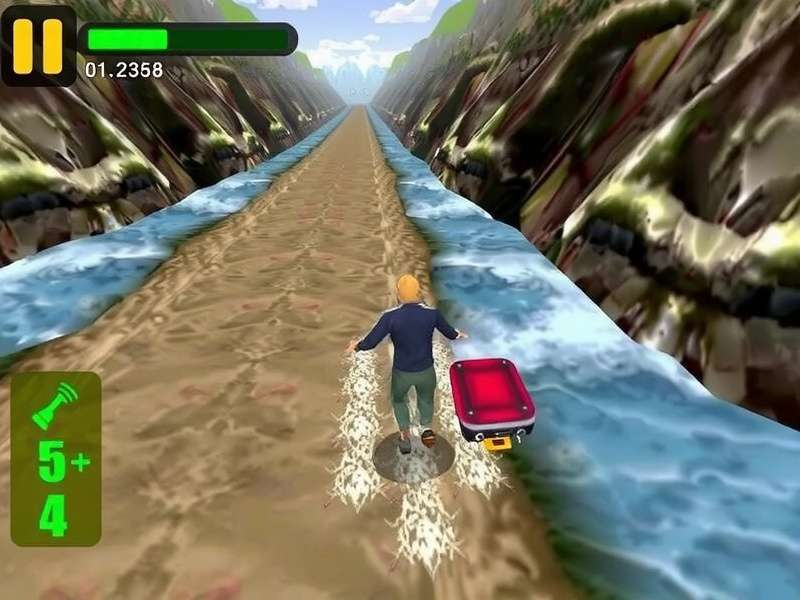
Himalayan Wave Rider gameplay featuring the Ganges River rapids in Uttarakhand
Unlike international rafting games that often feature generic mountain landscapes, Himalayan Wave Rider celebrates India's northern mountain heritage by showcasing iconic rivers and regions from the Himalayan range. From the holy waters of the Ganges in Uttarakhand to the turbulent rapids of the Indus in Ladakh, the Brahmaputra in Assam to the Beas in Himachal Pradesh, the game offers an authentic Indian mountain experience that resonates deeply with local players.
4.2M+
Monthly Active Users
The game's availability across multiple platforms has been a key factor in its widespread success. Players can enjoy Himalayan Wave Rider on Android and iOS mobile devices, dedicated arcade machines in malls and gaming zones across major Indian cities, and since 2022, on Windows PC. This multi-platform strategy has ensured that the game reaches a diverse audience – from casual mobile gamers looking for a quick adventure during their commute to hardcore PC gamers seeking an immersive experience, and arcade enthusiasts who enjoy the social aspect of gaming in public spaces.
Since its release, Himalayan Wave Rider has achieved remarkable milestones that highlight its impact on the Indian gaming industry. It crossed 10 million downloads within just six months of launch, became the most downloaded Indian adventure game of 2020, and has maintained a loyal player base with over 4.2 million monthly active users as of 2024. The game has also received critical acclaim, winning numerous awards including "Best Indian Adventure Game" at the Indian Gaming Awards 2021 and "Excellence in Cultural Representation" at the Digital India Gaming Summit 2022.
"Himalayan Wave Rider was born from our desire to create a game that showcases the breathtaking beauty of India's Himalayan region while providing world-class gameplay. We wanted Indian gamers to see their own landscapes, culture, and traditions reflected in a premium gaming experience that could stand alongside international titles. The response has been overwhelming – players from all corners of India have connected with the game's authenticity and thrill,"
— Anjali Patel, Creative Director at Daman Games Studios
What truly sets Himalayan Wave Rider apart is its seamless integration of entertainment and education. While players navigate thrilling rapids and challenging courses, they also learn about the cultural significance of the rivers, the biodiversity of the Himalayan region, and the traditions of the local communities that call these mountains home. This unique blend of fun and learning has made the game popular not just among gamers but also among parents and educators who appreciate its positive and informative content.
Gameplay Mechanics of Himalayan Wave Rider
The core gameplay of Himalayan Wave Rider revolves around navigating a raft through various Himalayan rivers, overcoming rapids, avoiding obstacles, collecting power-ups, and completing challenges to progress through the game. The mechanics are designed to be accessible to players of all skill levels while offering enough depth and complexity to keep experienced gamers engaged.
Core Gameplay Loop
At its heart, Himalayan Wave Rider follows an addictive gameplay loop that combines skill, strategy, and quick reflexes. Players begin by selecting their raft type, character, and difficulty level, then choose a river course based on real Himalayan locations. The primary objective is to navigate the river from start to finish, overcoming increasingly challenging rapids while collecting points and power-ups along the way.
The game's physics engine is one of its most impressive features, accurately simulating the dynamics of white-water rafting. Players must account for current strength, wave patterns, and river obstacles, making each course feel unique and challenging. The controls are intuitive yet responsive, allowing for precise maneuvering that rewards skillful play without being overly complex for new players.
Along their journey, players can collect various power-ups that enhance their rafting experience. These include speed boosts that help navigate calm sections quickly, stability enhancements for rough rapids, shield protections that guard against obstacles, and magnet power-ups that attract valuable collectibles. The game also features culturally themed power-ups such as "Holy Water Blessing" that provides temporary invincibility, inspired by the sacred rivers of the Himalayas, and "Yak Hide Shield" that offers protection, referencing the traditional materials used by Himalayan communities.
Collectible items are another key aspect of the gameplay. Players can gather gems, coins, and special cultural artifacts that unlock new content. These artifacts include miniature temple replicas, traditional musical instruments, and handicrafts specific to the Himalayan region. Collecting a full set of artifacts from a particular region unlocks special character costumes, raft designs, and bonus levels.
Game Modes
Story Mode
Adventure Mode
Multiplayer Mode
Tournament Mode
Survival Mode
Story Mode: The Great Himalayan Expedition
Story Mode is the primary single-player experience in Himalayan Wave Rider, taking players on an epic journey through the Himalayan rivers. The narrative follows a young adventurer who embarks on a quest to become the "Himalayan Rafting Champion" by navigating the most challenging rivers in the region and learning about the cultural significance of each waterway.
The story unfolds through beautifully animated cutscenes that blend adventure with cultural education. Players encounter various characters inspired by Himalayan communities – including Tibetan monks, Garhwali villagers, Ladakhi shepherds, and Assamese fishermen – each with their own unique stories and wisdom to share. These interactions not only advance the plot but also provide interesting facts about the region's history, traditions, and environmental conservation efforts.
Story Mode consists of 50 levels divided into 10 regions, each representing a different part of the Himalayan river system: Ganges (Uttarakhand), Yamuna (Uttarakhand), Indus (Ladakh), Zanskar (Ladakh), Beas (Himachal Pradesh), Chenab (Jammu & Kashmir), Ravi (Himachal Pradesh), Brahmaputra (Assam), Teesta (Sikkim), and Kali (Uttarakhand/Nepal border). Each region features 5 unique levels with increasing difficulty, as well as a boss challenge that tests the player's skills against extreme river conditions or special obstacles.
Completing Story Mode unlocks exclusive content including the "Legendary Himalayan Raft" – a special watercraft with enhanced performance – and the "Spiritual Explorer" character skin, inspired by the sadhus and spiritual leaders who reside along the Himalayan rivers. The story also has multiple endings based on the player's performance and choices throughout the game, encouraging replayability.
Adventure Mode: Customized Rafting Experiences
Adventure Mode caters to players who prefer a more flexible gaming experience, allowing them to customize their rafting journey according to their preferences. This mode offers a wide range of options, making it perfect for both casual players looking for a relaxing experience and more experienced gamers seeking specific challenges.
Players can select from various parameters to create their ideal rafting adventure: river difficulty (from calm Class I rapids to extreme Class V rapids), course length (short, medium, or long), time of day (morning, afternoon, evening, night), and weather conditions (clear, rainy, foggy, snowy). Each combination creates a unique experience, ensuring that no two playthroughs are the same.
Adventure Mode also features special themed challenges that rotate regularly. These include "Monsoon Mayhem" where players navigate rivers swollen by heavy rains, "Winter Wonder" set in snow-covered Himalayan landscapes, and "Festival Float" which incorporates elements of Indian festivals like Diwali and Holi into the courses. These themed challenges offer unique obstacles and rewards that aren't available in the regular game modes.
One of the most popular features of Adventure Mode is the "Photography Challenge," where players can pause the action to capture stunning screenshots of the Himalayan landscapes. These photos can be shared directly from the game to social media platforms, and players earn bonus points for capturing particularly scenic moments or rare wildlife sightings within the game.
Multiplayer Mode: Compete with Friends and Rivals
Multiplayer Mode has been a major driver of Himalayan Wave Rider's popularity, allowing up to 6 players to compete against each other in real-time. This mode is available both online through the game's servers and locally via Wi-Fi, making it perfect for both long-distance competition and in-person gaming sessions with friends.
Players can choose from several multiplayer game types, each offering a different competitive experience:
-
Rapid Race - The classic race to the finish line, where players must navigate the course as quickly as possible while avoiding obstacles and using power-ups to gain an advantage over opponents.
-
Treasure Hunt - A race to collect the most valuable artifacts scattered throughout the course, requiring a balance of speed and exploration.
-
Team Rafting - A cooperative mode where players team up in groups of 2-3 to complete challenges and navigate particularly difficult courses together.
-
Obstacle Challenge - A skill-based competition where players must overcome a series of increasingly difficult obstacles within a time limit.
-
Cultural Quest - A unique multiplayer mode that tests players' knowledge of Himalayan culture and geography while navigating the river.
Online multiplayer includes a comprehensive ranking system that tracks players' performance across India, allowing gamers to compete with others from different states and cities. The game also features regional leaderboards that highlight top players from each Indian state, fostering a sense of friendly competition between regions.
To enhance the social experience, Multiplayer Mode includes in-game chat functionality that supports multiple Indian languages, allowing players to communicate with teammates and opponents in their native tongue. The game also features a "Friend Challenge" system where players can send personalized challenges to their friends, complete with custom parameters and difficulty settings.
Tournament Mode: Compete for Glory and Rewards
Tournament Mode is designed for competitive players who want to test their skills against the best Himalayan Wave Rider players in India. This mode features structured competitions with significant rewards, making it a favorite among serious gamers and content creators.
Tournaments are held regularly on both a weekly and monthly basis. Weekly tournaments are open to all players and offer in-game rewards such as rare power-ups, customization items, and currency. Monthly tournaments feature larger prize pools, including cash prizes (up to ₹100,000 for winners), gaming equipment, and exclusive in-game content that can't be obtained through any other means.
The tournament structure typically consists of multiple rounds: a qualifying round where players compete to earn a spot in the main tournament, a group stage where players are divided into groups to compete against each other, and a knockout stage where the top performers from each group face off until a winner is determined. Each round features different courses and challenges to test various aspects of players' skills.
The highlight of the tournament calendar is the annual "Himalayan Wave Rider National Championship," which attracts thousands of participants from across India. The championship features regional qualifiers held in major cities, followed by a grand final where the top 32 players compete for a grand prize of ₹500,000, a custom gaming setup, and the title of "India's Ultimate Rafting Champion." The grand final is often streamed live on gaming platforms, with commentary in multiple Indian languages and special guest appearances from gaming influencers and celebrities.
Tournament Mode also includes a "Spectator" feature that allows players to watch live tournament matches, cheer for their favorite players, and learn new strategies by observing top performers. Spectators can earn in-game rewards for participating in polls and predictions during matches, making the viewing experience interactive and engaging.
Survival Mode: Test Your Endurance
Survival Mode offers a unique challenge for players seeking the ultimate test of their rafting skills. In this mode, players must navigate an endless river course that becomes increasingly difficult as they progress, with no finish line – the goal is simply to survive for as long as possible.
The course in Survival Mode is procedurally generated, meaning that each playthrough offers a unique experience with different rapids, obstacles, and power-up placements. As players survive longer, the river becomes more challenging: rapids grow stronger, obstacles become more frequent, and weather conditions deteriorate.
Survival Mode features several unique mechanics that set it apart from other game modes. The "Endurance Meter" tracks the player's stamina – as the course becomes more difficult, the meter depletes faster, and players must collect special "Energy Drinks" (inspired by traditional Himalayan beverages) to replenish their stamina. The "Rescue System" allows players to be rescued once per playthrough if they crash, but this resets their score multiplier, encouraging careful play.
Survival Mode also includes special events that occur at random intervals, such as "Flash Floods" where the river current suddenly intensifies, "Wildlife Encounters" where players must avoid animals like deer or birds crossing the river, and "Monsoon Storms" that reduce visibility and increase the difficulty of navigating rapids.
Leaderboards for Survival Mode track the longest survival times and highest scores, creating a competitive environment where players strive to outdo each other's performances. The game also features daily and weekly survival challenges with specific objectives, such as surviving for a certain amount of time or collecting a specific number of artifacts.
Control Systems
Himalayan Wave Rider features intuitive control systems that are optimized for each platform, ensuring a smooth and enjoyable experience regardless of how players choose to play. The controls are designed to be easy to learn but difficult to master, striking the perfect balance between accessibility and depth.
| Platform |
Control Scheme |
Special Features |
| Mobile (Android/iOS) |
Touch-based controls: swipe to steer, tap to jump over obstacles, hold to activate power-ups |
Customizable control layout, tilt-based steering option, haptic feedback that simulates water movements |
| Arcade Machine |
Physical raft controller that tilts to steer, buttons for power-ups, lever for speed control |
Motion-sensing technology that mimics real rafting movements, water spray effects for immersion |
| Windows PC |
Keyboard and mouse controls, gamepad support |
Enhanced precision controls, customizable key bindings, support for steering wheel peripherals |
| Tablet |
Enhanced touch controls with larger target areas, multi-touch support |
Split-screen multiplayer option for local play, stylus support for precise movements |
The game also includes a comprehensive tutorial system that guides new players through the controls and basic gameplay mechanics. The "Rafting School" tutorial features step-by-step instructions from a virtual coach, with interactive lessons that allow players to practice each skill before encountering them in actual gameplay. For more experienced players, the game offers advanced tutorials that cover advanced techniques like navigating complex rapids, mastering power-up combinations, and optimizing race strategies.
Accessibility is a key focus of the control design. Players can adjust the sensitivity of controls, enable assistive features like auto-steering for difficult sections, and customize the game's difficulty to match their skill level. These options ensure that Himalayan Wave Rider is accessible to players of all abilities, including those with motor impairments or limited gaming experience.
Key Features of Himalayan Wave Rider
Himalayan Wave Rider stands out as a premier Indian gaming title thanks to its unique combination of stunning visuals, engaging gameplay, and deep cultural integration. Below are the game's most notable features that have contributed to its status as one of India's most beloved adventure games:
Authentic Himalayan Locations
One of the most striking features of Himalayan Wave Rider is its faithful representation of real Himalayan rivers and landscapes. The development team at Daman Games Studios spent over 18 months researching and visiting various locations across the Indian Himalayas to ensure that each course accurately reflects the unique geography, scenery, and cultural elements of its real-life counterpart.
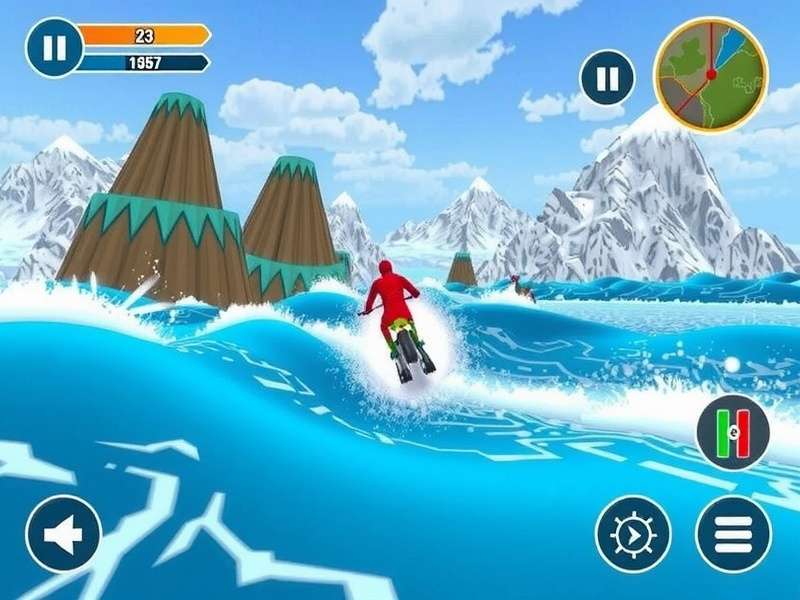
Stunning visual representation of the Brahmaputra River course in Assam, featuring traditional boats and river islands
Each river course in the game is meticulously crafted to capture the essence of its real-world inspiration. The developers used a combination of satellite imagery, on-location photography, and 3D scanning to recreate the rivers with remarkable accuracy. The result is a gaming experience that not only entertains but also showcases the breathtaking beauty of India's Himalayan region.
Some of the most popular locations featured in Himalayan Wave Rider include:
-
Ganges River (Uttarakhand) - Featuring the holy city of Rishikesh, iconic landmarks like the Lakshman Jhula bridge, and the challenging Class IV rapids of the Upper Ganges
-
Zanskar River (Ladakh) - Set in the remote Trans-Himalayan region, featuring crystal-clear waters, snow-capped peaks, and traditional Ladakhi villages
-
Beas River (Himachal Pradesh) - Known for its scenic beauty and varying difficulty levels, from calm stretches ideal for beginners to challenging rapids for experienced players
-
Brahmaputra River (Assam) - One of India's largest rivers, featuring wide expanses of water, river islands, and traditional Assamese boats and villages
-
Teesta River (Sikkim) - Set in the eastern Himalayas, featuring lush green landscapes, waterfalls, and the unique cultural elements of Sikkimese communities
-
Indus River (Ladakh) - One of the world's oldest rivers, featuring dramatic canyons, ancient monasteries, and the unique desert mountain landscape of Ladakh
Each location in the game includes not just accurate visual representations but also authentic sound design that enhances the immersive experience. Players can hear the sound of rushing water, the calls of local birds and animals, traditional music from the region, and even the chatter of villagers in local languages. This attention to audio detail helps create a truly immersive experience that transports players to the heart of the Himalayas.
Cultural Integration and Education
Himalayan Wave Rider goes beyond mere location representation by deeply integrating elements of Himalayan culture and traditions throughout the gameplay experience. This cultural focus has resonated strongly with Indian players, who appreciate seeing their heritage represented in a modern, engaging format.
The game's cultural elements are carefully researched and respectfully portrayed, ensuring that they educate players while entertaining them. Daman Games Studios collaborated with cultural experts, local historians, and community leaders from Himalayan regions to ensure that the game's cultural content is accurate and respectful.
Some of the key cultural features in Himalayan Wave Rider include:
-
Festival-Themed Content - Special courses and events tied to Indian festivals celebrated in the Himalayan region, such as Diwali, Holi, Lohri, and Losar (Tibetan New Year). These events feature unique decorations, obstacles, and power-ups inspired by each festival.
-
Traditional Characters - Playable characters dressed in authentic Himalayan attire, including Garhwali kurtas, Ladakhi gonchas, Assamese mekhelas, and Sikkimese traditional dress. Each character has a backstory that reflects the culture and traditions of their region.
-
Cultural Power-Ups and Items - Power-ups inspired by Himalayan culture and traditions, such as "Himalayan Salt Boost" (providing extra speed), "Yak Wool Shield" (offering protection), and "Monastery Blessing" (granting temporary invincibility). Collectible items include traditional handicrafts, musical instruments, and religious artifacts.
-
Educational Information - Informative pop-ups and loading screens that share interesting facts about Himalayan culture, history, geography, and environmental conservation. The game also includes a "Cultural Encyclopedia" section that players can unlock, featuring detailed information about the regions, traditions, and communities represented in the game.
-
Traditional Music - A soundtrack featuring traditional music from various Himalayan regions, performed by local musicians. The music changes dynamically based on the location and gameplay, enhancing the immersive experience.
The educational aspects of Himalayan Wave Rider have made it popular among parents and educators who appreciate the game's ability to teach children about Indian culture and geography in an engaging way. The game has even been adopted by some schools as a supplementary educational tool for teaching about India's northern mountain regions.
Extensive Customization Options
Himalayan Wave Rider offers a wide range of customization options that allow players to personalize their gaming experience. From character appearance to raft design, players can create a unique identity that reflects their personality and preferences.
Character customization is particularly extensive, allowing players to create a avatar that represents their style and personality:
- Multiple character models representing different age groups, genders, and ethnic backgrounds from across India
- Authentic Himalayan clothing options as well as modern adventure gear
- Accessories including hats, goggles, jewelry, and traditional items like turbans and scarves
- Hairstyles and facial features that reflect India's diverse population
- Special character skins unlocked through gameplay achievements or festival events
Raft customization is equally detailed, allowing players to modify their watercraft for both performance and appearance:
- Various raft types with different performance characteristics (speed, stability, maneuverability)
- Custom paint jobs featuring traditional Indian patterns, festival themes, and regional designs
- Decals and stickers featuring Indian symbols, landmarks, and cultural icons
- Performance upgrades that improve speed, handling, and durability
- Specialty rafts inspired by traditional Himalayan watercraft, such as the Ladakhi coracle and Assamese canoe
In addition to character and raft customization, Himalayan Wave Rider offers other personalization options:
- Customizable game interfaces with multiple themes and color schemes
- Personalized soundtrack options, allowing players to choose between traditional music, modern tunes, or their own custom playlists
- Custom difficulty settings that allow players to tailor the game to their skill level
- Profile customization with unique avatars, banners, and status messages
Many customization options are unlocked through gameplay achievements, encouraging players to explore different game modes and challenges. The game also regularly releases new customization content tied to festivals and special events, keeping the experience fresh and exciting for long-term players.
Social and Community Features
Himalayan Wave Rider places a strong emphasis on social interaction and community building, recognizing the importance of social connections in Indian culture. The game includes a range of features that allow players to connect with friends, join communities, and share their gaming experiences.
Key social features include:
- Comprehensive friend system that allows players to connect with friends, track their progress, and send gifts
- In-game chat functionality that supports multiple Indian languages, making communication accessible to players from different regions
- Clan system where players can form groups with friends and other players, compete in clan wars, and earn exclusive rewards
- Social media integration that allows players to share their achievements, high scores, and screenshots on platforms like Facebook, Instagram, and WhatsApp
- Community events and challenges that encourage players to work together toward common goals
- Player profiles that showcase achievements, stats, and customization choices
The game's community features extend beyond in-game interactions. Daman Games Studios maintains an active online community through official forums, social media groups, and dedicated Discord servers where players can interact, share tips and strategies, and provide feedback to the development team.
One of the most popular community features is the "Rafting Club" system, where players can join regional or thematic clubs based on their location or interests. Clubs organize regular events, competitions, and social activities, fostering a sense of belonging and camaraderie among players. The game also features a "Mentor Program" where experienced players can guide new players, helping them learn the ropes and improve their skills.
Environmental Conservation Focus
Unique among adventure games, Himalayan Wave Rider incorporates an environmental conservation theme that educates players about the importance of protecting India's rivers and Himalayan ecosystems. This focus reflects Daman Games Studios' commitment to creating games that not only entertain but also promote positive social values.
The game's environmental features include:
- "Clean River Challenges" where players collect and dispose of trash and debris while navigating the courses, earning rewards for environmental stewardship
- Educational content about river conservation, biodiversity, and the impact of pollution on Himalayan ecosystems
- Special events tied to environmental awareness days, such as World Water Day and World Environment Day
- Partnerships with real environmental organizations, with in-game events that raise awareness and funds for river conservation projects
- Virtual "Adopt a River" program where players can earn in-game rewards by supporting real-world river cleanup initiatives
The environmental theme is integrated seamlessly into the gameplay, ensuring that it educates without being preachy. Players learn about the importance of clean water, the impact of pollution on aquatic life, and the efforts being made to protect Himalayan rivers, all while enjoying the game's thrilling rafting action.
Regular Updates and Events
Daman Games Studios is committed to keeping Himalayan Wave Rider fresh and exciting with regular updates and events. Since its launch, the game has received consistent updates that add new content, improve gameplay, and address player feedback.
The game's update schedule typically includes:
- Major content updates every 3-4 months, adding new river courses, characters, and game modes
- Monthly themed events tied to Indian festivals, seasons, or cultural occasions
- Weekly challenges and limited-time events that offer unique rewards
- Regular balance updates and bug fixes based on player feedback
- Performance optimizations to ensure the game runs smoothly on a wide range of devices
Some of the most popular events in Himalayan Wave Rider include:
-
Diwali Festival of Lights - Special courses decorated with diyas and rangoli, unique power-ups inspired by Diwali traditions, and exclusive Diwali-themed customization items
-
Holi Color Festival - Courses featuring colorful obstacles and power-ups, with special events where players can "paint" the river with colored powder
-
Himalayan Monsoon Challenge - A seasonal event featuring rain-soaked courses, swollen rivers, and unique monsoon-themed challenges
-
Independence Day Celebration - Patriotic-themed content featuring the Indian flag, national landmarks, and special challenges that celebrate India's heritage
-
Winter Snow Festival - Snow-covered Himalayan courses, ice-themed obstacles, and special winter sports-inspired challenges
These regular updates and events have helped maintain the game's popularity and keep the player base engaged. The development team actively solicits feedback from players through surveys, social media, and community forums, ensuring that updates address player needs and preferences.
Development and History of Himalayan Wave Rider
The development of Himalayan Wave Rider represents a significant milestone in Indian game development, showcasing the growing capabilities of Indian studios to create world-class gaming experiences with authentic local themes. The game's journey from concept to release is a fascinating story of innovation, cultural research, and community engagement.
Origins and Concept Development
The idea for Himalayan Wave Rider emerged from a team brainstorming session at Daman Games Studios in early 2018. At the time, the Indian gaming market was experiencing significant growth, but most popular games were either international titles or simple casual games with limited depth. The team recognized an opportunity to create a premium adventure game that would showcase India's natural beauty and cultural heritage while providing gameplay that could compete with international titles.
Anjali Patel, Creative Director at Daman Games Studios, recalls the early development phase: "We wanted to create a game that would make Indian players proud – something that showcases the incredible beauty of our country while providing an experience that's on par with the best international games. The Himalayas immediately came to mind as a setting – they're visually stunning, culturally rich, and offer the perfect backdrop for an adventure game."
The team considered several potential gameplay concepts for the Himalayan setting, including trekking, mountaineering, and wildlife exploration, before settling on white-water rafting. This decision was based on extensive market research that indicated a strong preference for action-packed gameplay among Indian gamers, combined with the relative lack of high-quality rafting games in the market.
To validate the concept, the development team conducted a comprehensive market research study across India, surveying over 8,000 gamers of different ages, genders, and regions. The results were overwhelmingly positive: 92% of respondents expressed interest in a Himalayan-themed adventure game, and 85% indicated that they would be more likely to play a game that incorporates authentic Indian culture and locations.
Armed with this positive feedback, the team began refining the concept, focusing on three core pillars: authentic Himalayan locations, engaging rafting gameplay, and deep cultural integration. This three-pillar approach would guide the entire development process, ensuring that the game remained true to its original vision while delivering a compelling gaming experience.
Development Process
The development of Himalayan Wave Rider took approximately 24 months, involving a team of over 50 developers, designers, artists, and cultural consultants. The process was divided into several key phases, each with its own challenges and milestones.
1. Research and Location Scouting (8 months)
The research phase was one of the most extensive and important aspects of the development process. The team recognized that authenticity would be a key differentiator for the game, so they invested significant time and resources in researching the Himalayan region.
A dedicated team of researchers and designers traveled to over 25 locations across the Indian Himalayas, spending 2-3 weeks in each region to capture detailed information about the rivers, landscapes, and local culture. This on-location research included:
- High-resolution photography and videography of rivers, rapids, and surrounding landscapes
- 3D scanning of key landmarks, cultural sites, and traditional boats
- Interviews with local residents, cultural experts, and rafting professionals
- Collection of traditional music, sounds, and local languages
- Documentation of local festivals, traditions, and handicrafts
The research team also collaborated with various government organizations and environmental groups, including the Ministry of Tourism, the National Mission for Clean Ganga, and local wildlife conservation societies. These partnerships provided access to valuable data and expertise, ensuring that the game's environmental and cultural content was accurate and respectful.
One of the biggest challenges during the research phase was accessing remote regions of the Himalayas, many of which are difficult to reach and have limited infrastructure. The team often had to travel by jeep, boat, and on foot to reach these locations, facing challenging weather conditions and rugged terrain. However, this effort paid off in the form of highly authentic and detailed game environments that have been widely praised by players and critics alike.
2. Game Design and Prototyping (6 months)
Based on the extensive research, the team began designing the game's mechanics, levels, and features. This phase involved creating numerous prototypes to test different gameplay concepts and find the right balance between accessibility and depth.
One of the key challenges during this phase was developing a physics engine that could accurately simulate white-water rafting while remaining fun and engaging to play. The team worked with professional rafting instructors to understand the dynamics of rafting on different types of rapids, and they spent months refining the physics to create a realistic yet enjoyable experience.
The team also experimented with different control schemes, testing both touch-based and tilt-based controls for mobile devices before settling on a hybrid system that offered the best of both worlds. For the arcade version, they collaborated with a hardware manufacturer to create a custom raft-shaped controller that would provide a more immersive experience.
Cultural integration was another key focus during the design phase. The team worked with cultural consultants to ensure that the game's cultural elements were accurately represented and respectfully portrayed. This included everything from the design of character clothing to the types of power-ups and collectibles featured in the game.
The story development process was particularly collaborative, with the writing team working closely with cultural experts to create a narrative that would be both engaging and educational. The team wanted the story to showcase not just the adventure of rafting but also the cultural significance of the Himalayan rivers and the communities that depend on them.
3. Art and Asset Creation (6 months)
The art team faced the challenge of creating visuals that were both stunning and authentic, capturing the breathtaking beauty of the Himalayas while ensuring that cultural elements were accurately represented.
Using the research materials collected during the location scouting phase, the artists created